
Future Forests Kongo
PLANTING HOPES,
HONORING LIVES
Since 1996, the Democratic Republic of the Congo has faced some of the most devastating conflicts in history, with over 6 million lives lost to fighting, malnutrition, and disease. The consequences of war extend far beyond the battlefield. Families, communities, and the environment that sustains us locally and globally are deeply affected.

HONORING VICTIMS OF THE KONGO WARS
Inspired by my own journey as a war survivor, I initiated the Future Forest Kongo art project to transform grief and guilt into a collective journey of remembrance and renewal. In the next phase of the project, we will be planting 60,000 memorial trees by 2030 in a remote village in Kongo. This number represents 1% of all war victims in the country.

Over the next five years, the forest will develop into a living, green monument—a memorial dedicated to the innocent human and non human victims of the ongoing conflicts in the region. These trees will stand as enduring reminders of their untold stories and sacrifices.

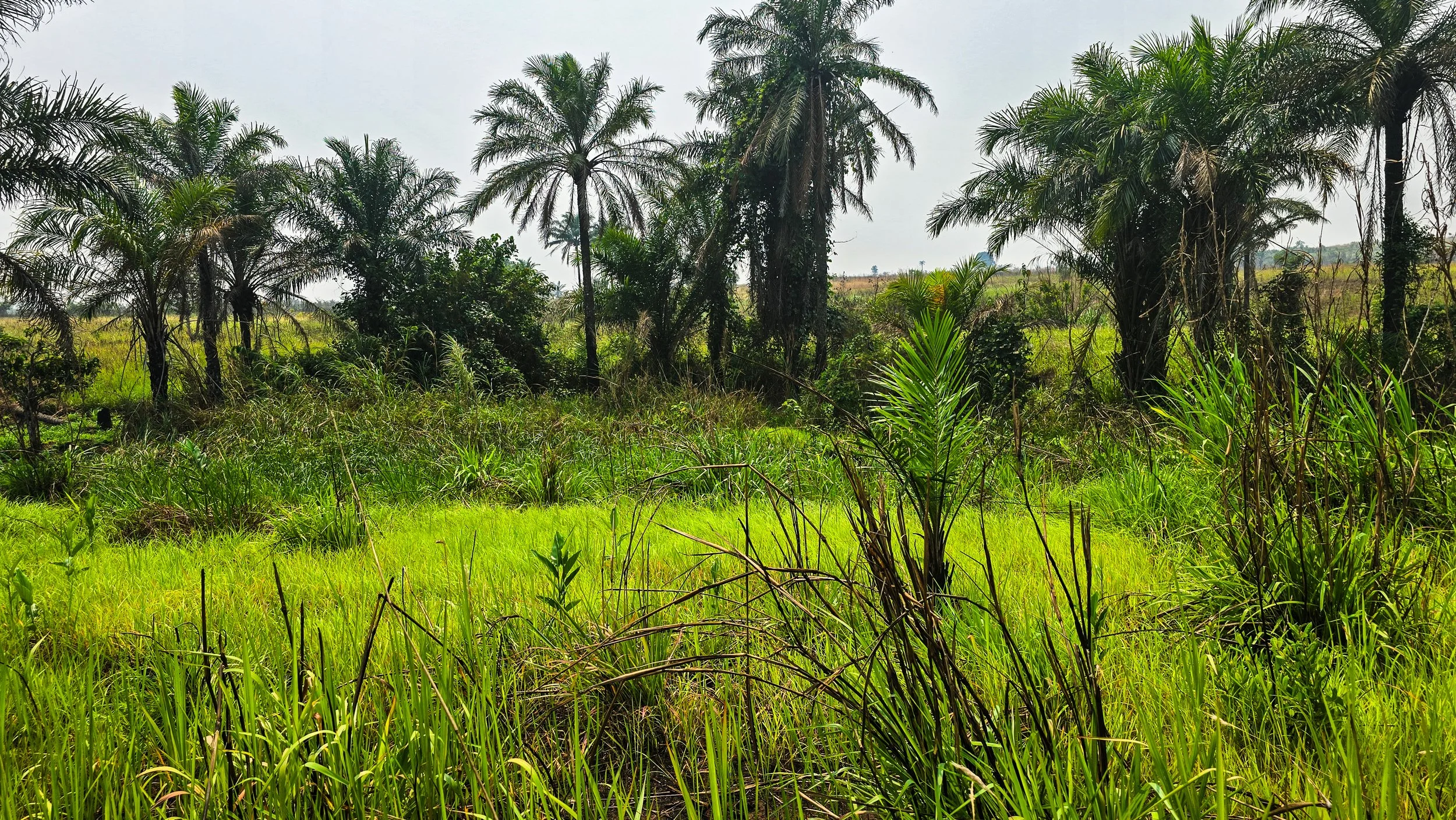
The area where we're planting trees has suffered from massive deforestation caused by human displacement and mining. What was once a lush forest had been stripped away by the mid-90s. Our mission is to restore this land-replanting trees and helping rebuild the bond between people and the environment, so the land can thrive once again.
WHY TREES?
Because war damages both human lives and the ecosystems they live in. Historically, the mineral-rich soil of Kongo has been weaponized, not only against its people but against the land itself.

The conflicts in Kongo may seem distant to many, but their effects ripple through the global economy, and they affect us all. Kongo (DRC) is a land of breathtaking natural beauty and rich biodiversity that serves our global needs for a good environmental health. It is home to 60% of the second-largest rainforest in the world and a hosts incredibly diverse legacies of ecological art practices.

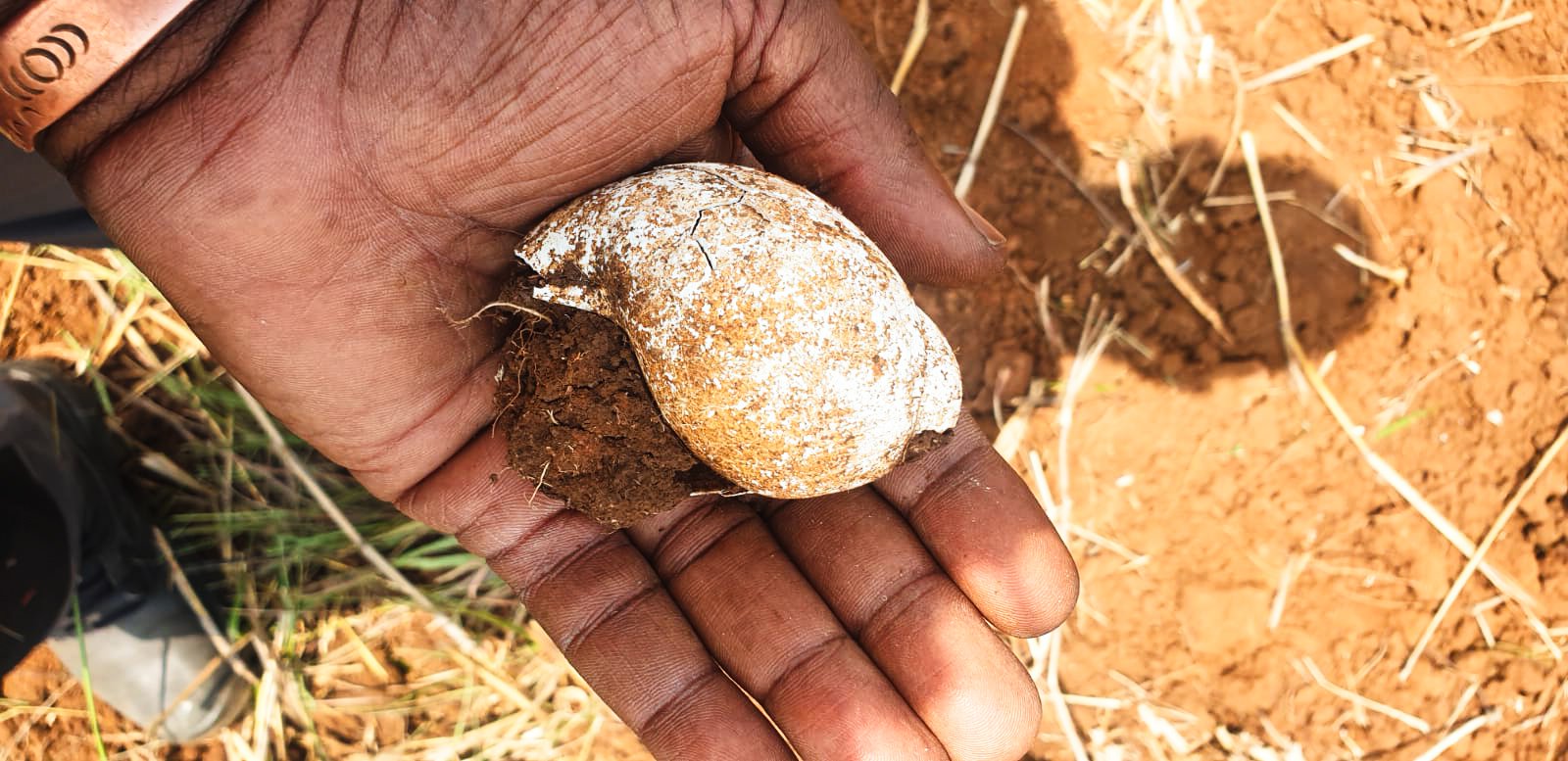
In many ways, the wars in Kongo continue to be a hidden cost of the modern world's consumption habits; from the 20th.century' s reliance on rubber, timber, diamond and gold to the current relentless thirst for minerals like coltan and cobalt in our time. While some benefit from the technology and the push for renewable energy, it's vital to recognize that these industries are built on the backs of exploited people and devastated landscapes.

However, we are not powerless.
A market is only sustained by the demand of its users. As consumers, we can demand ethical practices, change our consumption habits and push for systemic change. We can also help turn the tide on this destructive cycle by supporting people powered sustainable alternatives like the Future Forests Kongo art project.
SUPPORT THE FUTURE FOREST KONGO PROJECT TODAY, AND HELP US PLANT THE SEEDS FOR A BETTER TOMORROW.

THE TREE PLANTING CHALLENGE
To meet my ambitious goal of creating a thriving, biodiverse forest by 2030, we need to plant and grow approximately 1,000 trees per month. This means a significant increase in the scale of our operations. It requires more time, resources, and hands-on involvement on the ground, working side by side with the community.


